THE ART OF BECOMING: TRACY ANDERSON
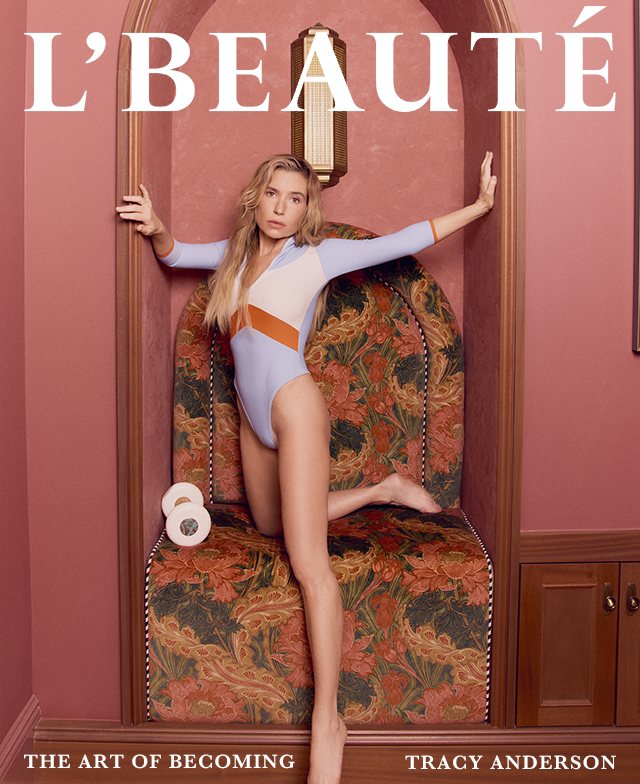
THE ART OF BECOMING
TRACY ANDERSON

starring TRACY ANDERSON photography SERHII VASYLIEV editor in chief STEPHANIE AROUESTY realization & interview GRETA JACOBSON production WIKA SOTO-HAY coordination TAMARA LAU and KATHARINA SCHITTEK art direction PAULA PRIETO text TAMARA LAU styling MATTHEW MAZUR makeup CHARLOTTE BOURGEOIS hair AMANDA OZARD tailoring LIZET RUBIÑOS video RAFAEL ARROYO location NEW YORK
Tracy Anderson, fundadora de The Tracy Anderson Method y una de las voces más influyentes del wellness a nivel mundial, comparte con Greta Jacobson una reflexión sobre movimiento, disciplina y conciencia. Una mirada a la importancia de construir una relación con el cuerpo que no busque controlarlo, sino aprender a escucharlo.
Tracy Anderson, founder of The Tracy Anderson Method and one of the world’s leading voices in wellness, joins Greta Jacobson for a conversation on movement, discipline, and consciousness. A reflection on the importance of building a relationship with the body that isn’t about controlling it, but learning to listen to it.
L’BEAUTÉ: Tu trabajo ha evolucionado muchísimo con los años, pero hay una idea que siempre ha permanecido: tu convicción de que el cuerpo es inteligente. ¿Cuándo empezaste a confiar en él como algo que se comunica, en lugar de algo que simplemente debe controlarse?
Tracy Anderson: Gracias a mi mamá. Fue maestra de danza durante muchísimos años y, desde muy pequeña, me enseñó que el cuerpo es algo que las personas suelen querer controlar. Me enseñó ballet, jazz, tap… disciplinas que te enseñan a controlar el cuerpo por amor al arte y a la coreografía.
Pero también hacía un ejercicio muy curioso conmigo cuando tenía cinco años. Me decía: “Muévete como Tracy.” Yo me movía y ella respondía: “No, eso es Tracy moviéndose como si estuviera haciendo ballet. Muévete como Tracy.”
Me impulsaba a encontrar la diferencia entre moverse desde una técnica artística y hacerlo desde un lugar completamente propio, libre, instintivo, casi primitivo. Con el tiempo entendí que ese fue uno de los regalos más grandes que me pudo dar, porque me permitió descubrir la enorme cantidad de posibilidades que existen para mover el cuerpo.
L’BEAUTÉ: Your work has evolved so much over the years, but one thing that feels constant is your belief that the body is intelligent. When did you first begin to trust the body as something that communicates rather than something that simply needs to be controlled?
Tracy Anderson: My mom, thank goodness, who was a dance teacher for many, many, many years, she really taught me very young that the body is something that people like to control. So she taught me this is ballet, this is jazz, this is tap, and these creative arts or disciplines teach you how to control your body in certain ways for the love of the art, you know, for the love of the choreography. So she really taught me that because she would do this thing with me where she would say, “move like Tracy” when I was five. And I would move, and she’d say, “no, that’s Tracy moving like ballet. Move like Tracy”.
And so she would challenge me to really differentiate between moving like an art form and moving like an abstract person in their own creative, just uninhibited sort of primal animalistic just like moving. That turned out to be a really great gift for me later on because I saw so many possibilities and ways that we can move.
Has dedicado décadas a estudiar el movimiento, pero algo que llama la atención es que sigues siendo una persona profundamente curiosa. ¿Qué estás descubriendo hoy sobre el cuerpo que hace diez años todavía no podías ver?
Cuando empecé a estudiar lo que terminaría convirtiéndose en el trabajo de mi vida, entendí que era fundamental desarrollar una comprensión mucho más profunda de la conciencia. Desde muy joven he creído en la conexión que existe entre todas las cosas en la naturaleza.
El cuerpo es algo que, sinceramente, no creo que una sola persona pueda llegar a comprender por completo en una sola vida. Es algo que no deja de sorprenderme.
Por eso no dedico mi tiempo a la ciencia superficial, ni a las fórmulas rápidas de autoayuda o a explicaciones simplistas. Encuentro mucha más inspiración aprendiendo de personas con un conocimiento verdaderamente profundo, que han dedicado su vida a comprender aspectos específicos del cuerpo.
Uno de ellos es el doctor James Austin, autor de Zen and the Brain. Llevo más de treinta años estudiando sus libros y sigo sintiendo que apenas estoy empezando. Todavía tengo muchísimo por aprender y por comprender.
Muchas veces experimento esos momentos de claridad en los que una idea cobra un significado completamente distinto. Quizá leí un concepto hace años y lo entendí intelectualmente, pero todavía no estaba preparada para vivirlo. Es sólo con el tiempo, cuando esa experiencia llega a tu propia vida, que realmente comprendes el verdadero alcance de lo que significaba.
You’ve spent decades studying movement, but what fascinates me is that you still seem genuinely curious. What are you discovering about the body now that you weren’t seeing ten years ago?
As I began studying what would eventually become my life’s work, I knew it was important to develop a deeper understanding of consciousness. I have always believed in the connection between all things in nature, and that awareness began very early for me.
The body is something I don’t believe any one person can ever fully understand in a single lifetime. I am constantly amazed by it. I also don’t spend my time on surface-level science, self-help, or anything that only offers a simplified understanding. I find that I am much more creative when I learn from deeply intelligent people who have devoted themselves to understanding specific aspects of the body.
One of those people is Dr. James Austin, who wrote Zen and the Brain. I have spent 30 years studying his books, and I still have so much more to learn and understand.
Sometimes I will have an aha moment about something I read years ago. I may have understood the concept intellectually at the time, but I wasn’t yet prepared to live it. Then, years later, I find myself experiencing the true potential of what it actually meant.
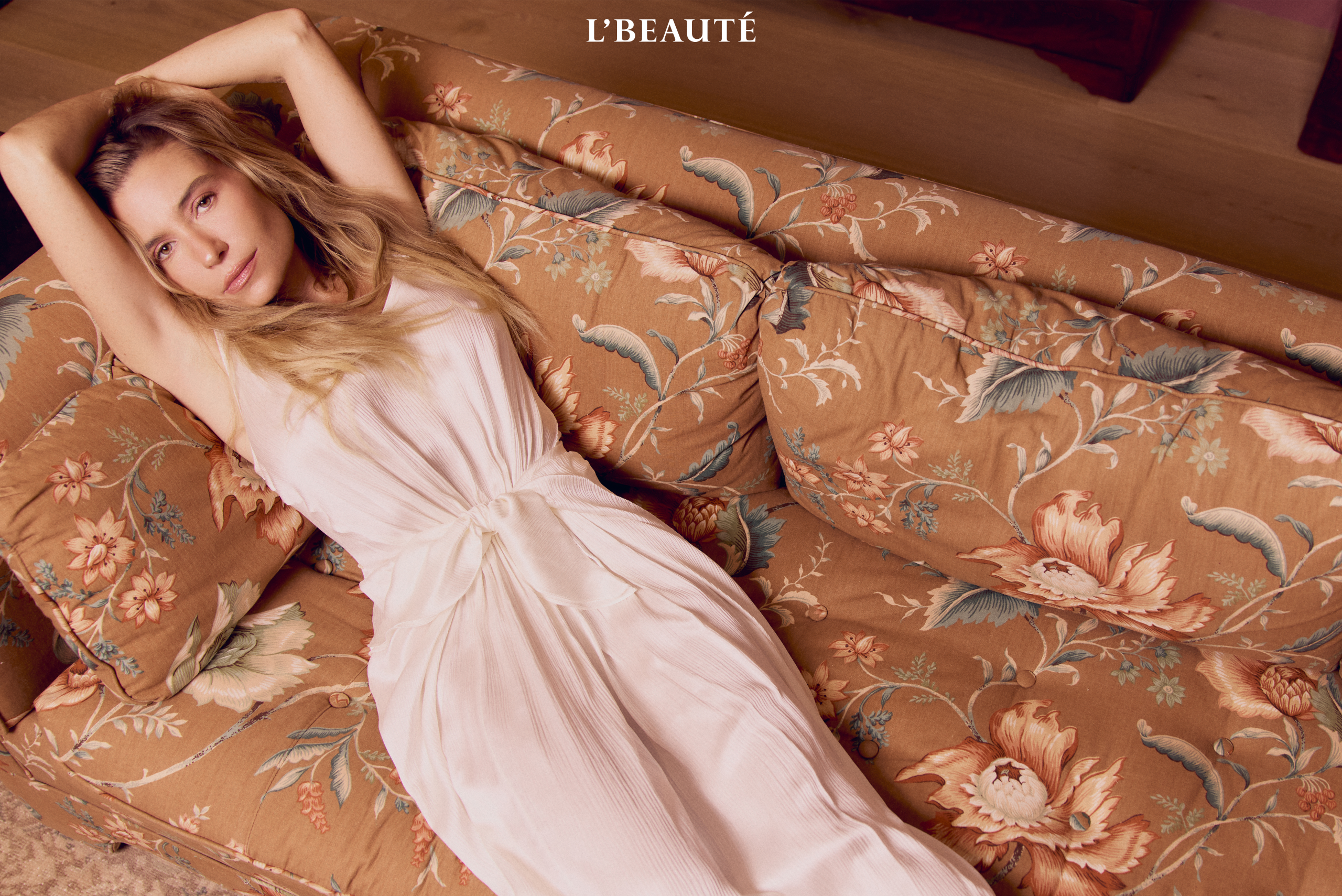
Hoy hablas del movimiento como una forma de diseño, de comunicación y de adaptación, mucho más allá del ejercicio. ¿Recuerdas cuándo el fitness dejó de ser únicamente una cuestión estética para ti?
Entendí esa realidad de una forma muy dura.
Cuando estaba en la universidad me preparaba para ser bailarina de ballet y me enfrenté a una realidad muy fuerte: nunca iban a apreciar mi cuerpo. Valoraban mi talento, pero valoraban aún más lo que ese talento podría ser si mi cuerpo fuera diferente.
Fue la primera vez que pensé: qué cosas tan poco saludables somos capaces de hacer sólo para encajar. Nos alejamos de nuestra propia naturaleza. Nos tratamos con dureza. Queremos vernos décadas más jóvenes. Queremos adelgazar antes de que nuestro cuerpo esté listo. Forzamos nuestro metabolismo. Hacemos todo tipo de cosas que van en contra de quienes somos con tal de controlar algo que, para mí, nace en gran medida del miedo.
Esa desconexión del ser humano genera una enorme cantidad de sufrimiento. Nos llena de incomodidad y nos aleja de algo que es profundamente valioso: la posibilidad de vivir nuestra vida en conexión con esa fuerza de energía tan profunda y hermosa que todos llevamos dentro.
Probé de todo, y nada terminaba de responder lo que estaba buscando. Fue entonces cuando entendí que el cuerpo realmente podía diseñarse. Sentía que había una forma de arte creciendo dentro de mí y que, si permanecía el tiempo suficiente explorándola, podía moldear el cuerpo de una manera artística.
Entonces empezó a convertirse en algo divertido. Me preguntaba: ¿Puedo transformar un cuerpo y, al mismo tiempo, mantener la piel firme sobre el músculo mientras esa persona pierde peso? Pasé años acompañando a personas en ese proceso y tuve muchísimo éxito.
Mirando hacia atrás, creo que gran parte de mis veinte y mis treinta estuvieron dedicados a descubrir todo lo que era capaz de hacer desde una perspectiva estética.
De pronto, sentí que mi copa ya no estaba llena. Pensé: esto es realmente miserable. A estas personas les estaba faltando algo que probablemente es lo más saludable que podemos alcanzar: un equilibrio entre un cuerpo que pueda hablar y una mente que también pueda hacerlo.
Seguíamos abordándolo desde un lugar en el que la mente le decía al cuerpo cómo debía verse. Y sí, yo podía lograr que el cuerpo se viera de esa manera. Pero, incluso cuando el cuerpo se veía bien y funcionaba bien, seguía sin ser escuchado.
Entonces empecé a notar que, una vez que las personas —y hablo incluso de personas muy famosas— conseguían el cuerpo que querían, sentían que tenían derecho a conservarlo para siempre. Era como si hubieran cruzado una meta y pensaran que el trabajo había terminado. Todavía no tenían las herramientas para entender que la relación con el cuerpo es un compromiso que dura toda la vida.
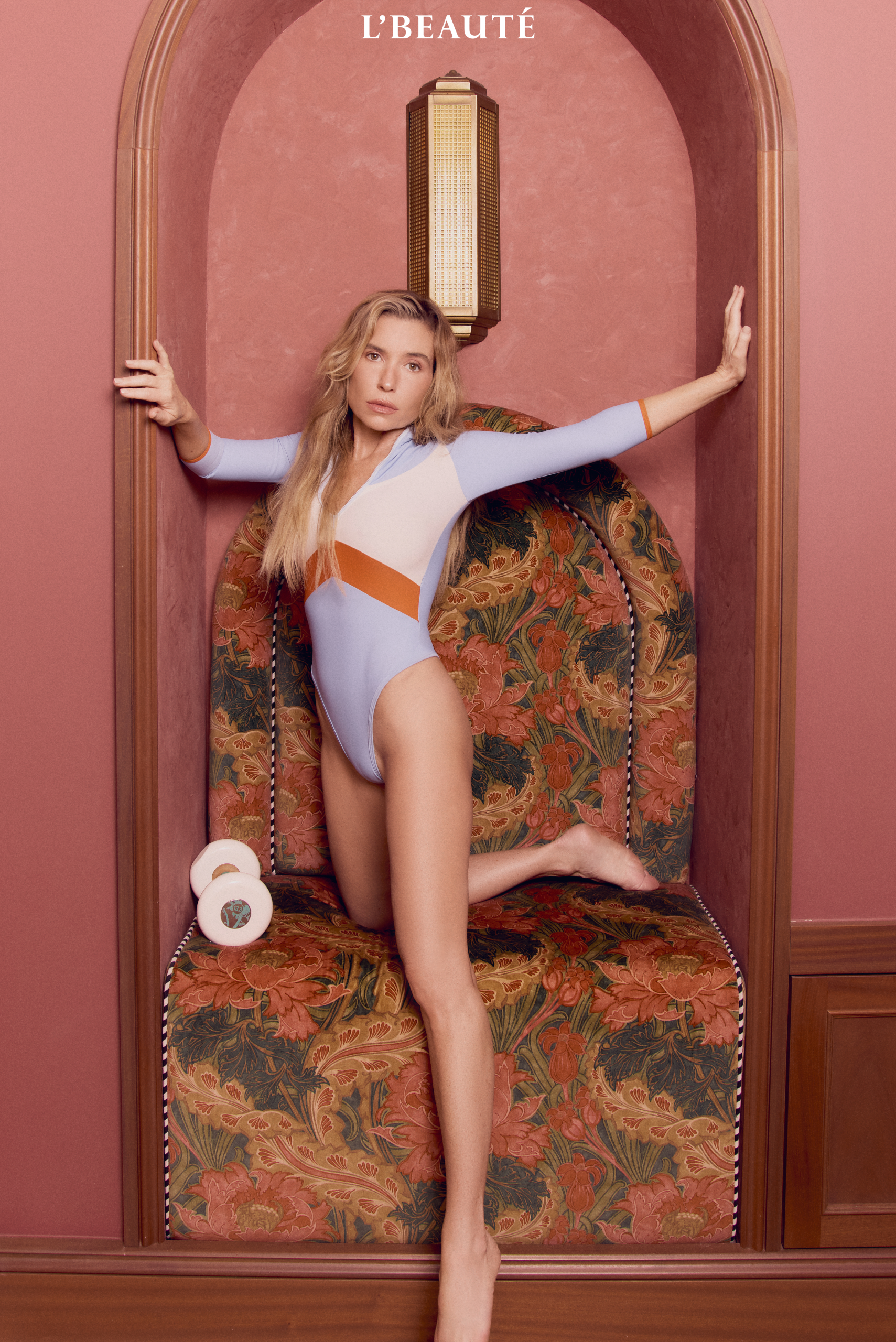
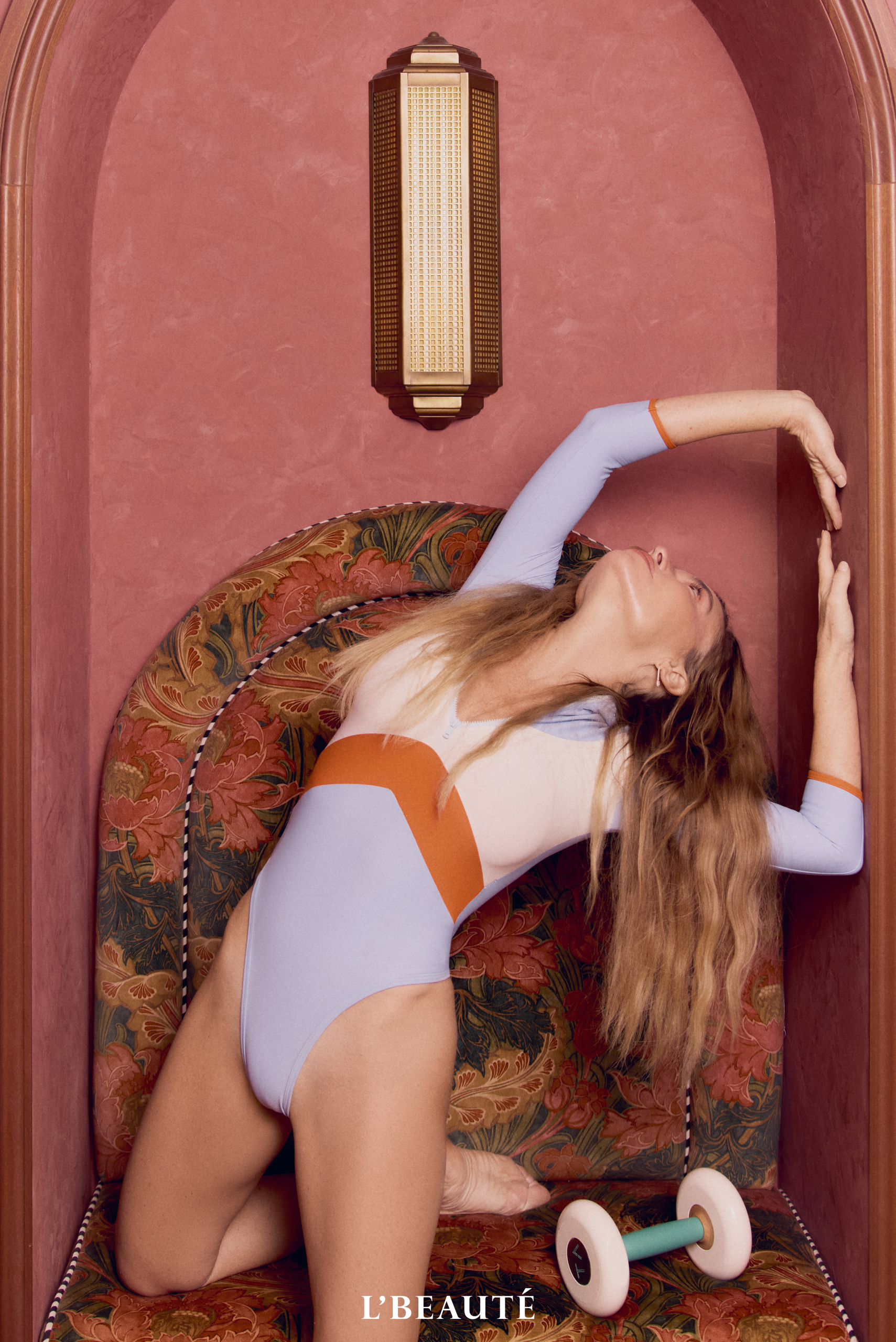
You often talk about movement as design, communication, and adaptation—not just exercise. Do you remember when fitness stopped being about aesthetics alone for you?
I really saw, in a very rude way, what societal systems will do to people if they want them to look a certain way.
In college, I was meant to be a ballerina, and I was met with that really harsh, confronting reality that they were never going to appreciate my body. They appreciated my talent, but they appreciated what my talent could be if my body were different.
That was the first time I thought, Wow, we do really unhealthy things to ourselves just to fit into something. We denature ourselves. We become abusive toward ourselves. We try to look decades younger. We try to get thinner faster than we’re ready. We challenge our metabolisms. We do all kinds of things that go against our nature in an effort to control something that I believe is largely fear-based.
That dysregulation of the human condition leads to an insurmountable amount of misery. It creates so much discomfort, and it blocks us from something that is so precious to all of us: the ability to live our absolute best life in connection with this deep, beautiful force of energy that we all have.
I tried everything, and none of it really got me there. That’s when I realized the body was something that could actually be designed. I knew there was an art form inside of me, and that if I stayed with it long enough, I could artistically mold the body.
Then it became fun. I started asking myself, Can I mold the body and keep the skin tight to the muscle while someone loses this amount of weight? I did a lot of hand-holding, and I had a lot of success.
Looking back, I think much of my twenties and thirties were about seeing what I could do from a vanity standpoint.
And all of a sudden, my cup was not full. I thought, This is actually miserable. These people are missing something that is probably the healthiest thing we can achieve for ourselves, which is a balance between the body being able to speak and the mind being able to speak.
We were still coming at it from a place where the mind wanted the body to look a certain way, and I could get the body to look that way. But even if the body looked good and performed well, it still wasn’t being heard.
Then I started noticing that once people—and I mean really famous people—got the body, they felt entitled for it to stay. They felt like there was a finish line, that they had crossed it, and it should stay that way forever. They didn’t yet have the tools to understand that this relationship with the body is something that lasts a lifetime.
Has dedicado gran parte de tu vida a ayudar a las personas a construir una relación más profunda con su cuerpo. Después de todo ese camino, ¿cómo describirías hoy tu propia conexión con el tuyo?
Hoy me siento más conectada con mi cuerpo que nunca, en una etapa de la vida en la que, probablemente, no debería sentirme así. Tengo 51 años y estoy prácticamente en la menopausia. Llevo once meses sin un ciclo menstrual.
No he recurrido a terapia de reemplazo hormonal. No tengo inyectables en la cara. No me he hecho un lifting. Nunca he tomado un GLP-1. La única cirugía que me he hecho fue un aumento de busto después de muchos años de lactancia.
Pero siempre he sido muy transparente con mi comunidad. Si algún día hago algo, todo el mundo lo sabrá. Yo misma lo contaré.
Hoy, a mis 51 años, me siento más conectada con mi cuerpo que nunca. Pensé que esta sería la etapa en la que empezaría a bajar el ritmo, pero no lo siento así en absoluto.
Lo que sí ha cambiado es que hoy soy mucho más estratega. No tengo ningún interés en acortar la longevidad de mi cuerpo en movimiento. No hago biohacking. No tomo una larga lista de suplementos. Sólo vitamina B y magnesio.
De verdad creo en permanecer lo más cerca posible de mi propia naturaleza durante el mayor tiempo que pueda. No voy a hacer algo simplemente porque sí. Sólo lo haré cuando esté completamente convencida de que es el paso correcto para mí.
You’ve dedicated so much of your life to helping people connect more deeply to their bodies. What does that connection personally feel like to you now?
I feel more connected to my body than ever, at a time when I probably shouldn’t feel that way. I’m 51 years old. I’m almost in menopause—I haven’t had a cycle in 11 months.
I haven’t taken hormone replacement therapy. I don’t have injectables in my face. I haven’t had a facelift. I’ve never taken a GLP-1. The only surgery I’ve ever had was a breast augmentation after years of nursing my children.
But I’m very open with my audience. If I ever do something, everyone will know. I would tell them.
Today, at 51, I feel more connected to my body than I ever have. I thought this would be the stage of life where I would begin slowing down, but I don’t feel that way at all.
What has changed is that I’m much more strategic. I have no interest in shortening the longevity of my body in motion. I don’t do biohacking. I don’t take a long list of supplements. I take a B vitamin and magnesium.
I truly believe in staying as close to my nature as I possibly can for as long as I can. I won’t do something unless I’m completely certain it’s the next right thing for me. I just won’t.
Durante años has acompañado a mujeres en la transformación de su cuerpo. ¿Qué patrón emocional encuentras una y otra vez detrás del deseo de cambiar físicamente?
A veces me sorprende todo lo que somos capaces de hacernos sólo para encajar.
Nos alejamos de nuestra propia naturaleza. Nos tratamos con dureza. Queremos vernos décadas más jóvenes. Queremos adelgazar antes de que nuestro cuerpo esté preparado. Forzamos nuestro metabolismo. Hacemos todo tipo de cosas que van en contra de quienes somos con tal de controlar algo que, para mí, nace en gran medida del miedo.
Esa desconexión con nuestra propia naturaleza genera una enorme cantidad de sufrimiento. Nos deja viviendo desde la incomodidad y nos aleja de algo profundamente valioso: la posibilidad de vivir nuestra vida en conexión con esa fuerza de energía tan profunda y hermosa que todos llevamos dentro.
You’ve helped women transform physically for years. What emotional pattern do you see over and over again underneath the desire to change the body?
Wow, we do really unhealthy things to ourselves just to fit into something.
We denature ourselves. We become abusive toward ourselves. We try to look decades younger. We try to get thinner faster than we’re ready. We challenge our metabolisms. We do all kinds of things that go against our nature in an effort to control something that, in my opinion, is largely driven by fear.
That dysregulation of the human condition creates an insurmountable amount of misery. It leaves us deeply uncomfortable, and it blocks us from something that is so precious: the ability to live our absolute best life in connection with the deep, beautiful force of energy that exists within all of us.
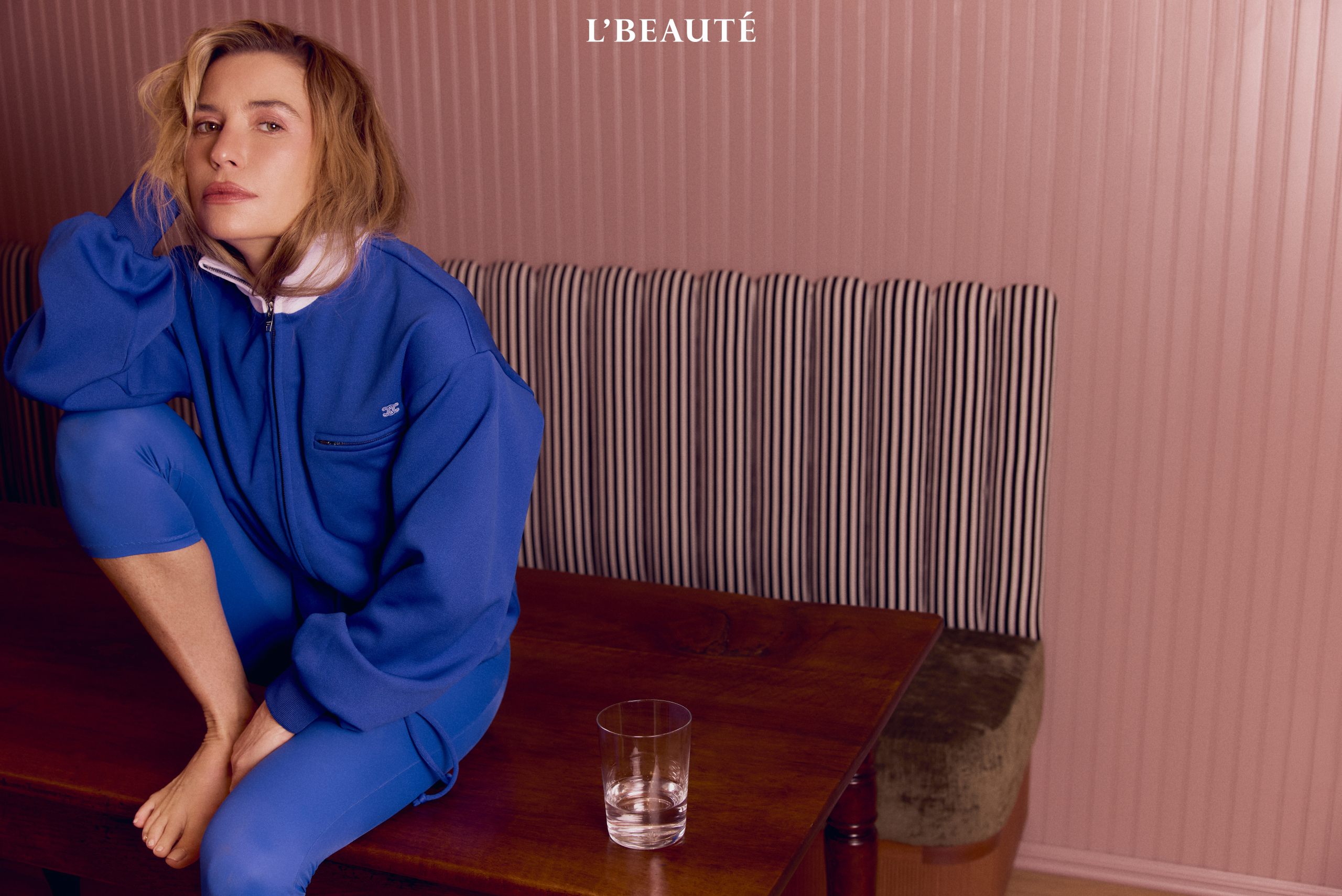
You speak about the body almost like a developmental journey rather than a project. Do you think modern culture has lost respect for maturation?
People want things fast, and they don’t want to have to work for them. If anything, that’s even more true today.
People want things so quickly that they no longer believe in the miracle of what can happen to the body when you take slow, consistent steps. It’s almost like we’ve developed a roadblock toward patience.
I want to get married now. I want that raise now. I want that purse right now. I want to feel better right now. I want to feel beautiful right now. I want my body to feel sexier right now. I want the life I see on someone else’s social media. I want it now. I’ll do whatever it takes.
So people begin living inside these illusions. They take small, unstable steps toward them, and then they’re surprised when everything falls apart.
Sueles hablar del cuerpo como un proceso de evolución, más que como un proyecto con una meta final. ¿Crees que la cultura actual ha perdido el respeto por la maduración?
La gente quiere las cosas rápido y no quiere tener que trabajar para conseguirlas y hoy eso es más evidente que nunca.
Queremos todo tan deprisa que hemos dejado de creer en el milagro de lo que puede suceder con nuestro cuerpo cuando avanzamos con pasos lentos y constantes. Es como si hubiéramos perdido la capacidad de confiar en el proceso.
Quiero casarme ya. Quiero ese ascenso ya. Quiero esa bolsa ya. Quiero sentirme mejor ya. Quiero sentirme bonita ya. Quiero que mi cuerpo se vea más atractivo ya. Quiero la vida que veo en las redes sociales de alguien más. La quiero ahora. Haré lo que sea para conseguirla.
Entonces empezamos a vivir dentro de esas ilusiones. Damos pasos pequeños, pero tremendamente inestables y después nos sorprende que todo termine derrumbándose.
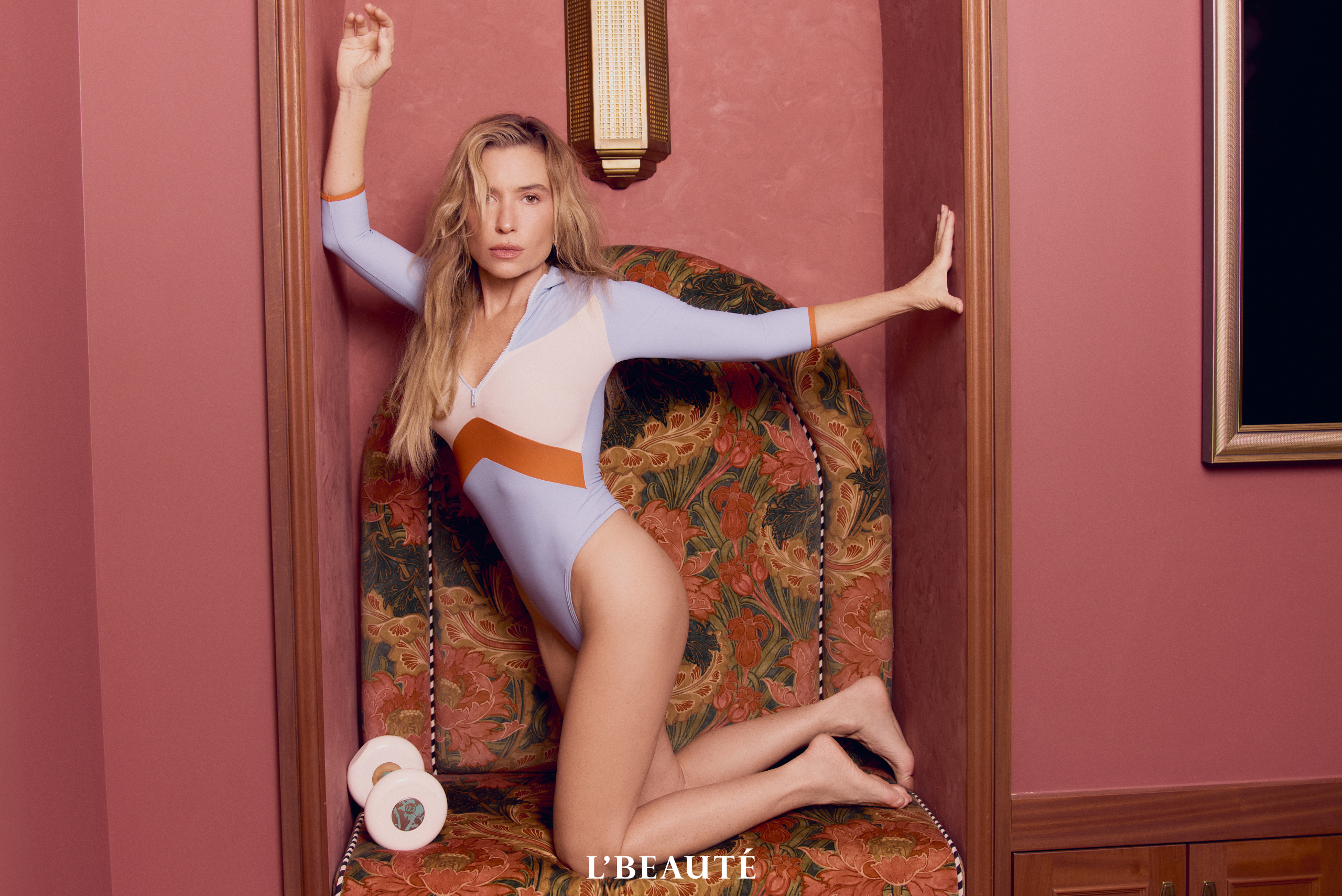
Escribes con frecuencia sobre la importancia de construir una relación más profunda con uno mismo. ¿Qué emociones crees que las personas intentan evitar o saltarse?
Las personas evitan aquellas partes de sí mismas para las que todavía no están preparadas.
Evitan justamente aquello que, si se atrevieran a enfrentar, las llevaría a un crecimiento profundo. Es ahí donde empiezan las relaciones más sanas, una vida más plena y una relación mucho más ligera con uno mismo. Pero, precisamente porque es incómodo, seguimos esquivándolo.
Así, el verdadero crecimiento no puede suceder.
La mochila se vuelve cada vez más pesada cuanto más tiempo decides cargar con todo, y mientras más grande y más sabio te vuelves, más consciente eres de lo que llevas dentro de esa mochila. Llega un momento en el que ya no puedes seguir engañándote y fingir que todo eso no existe.
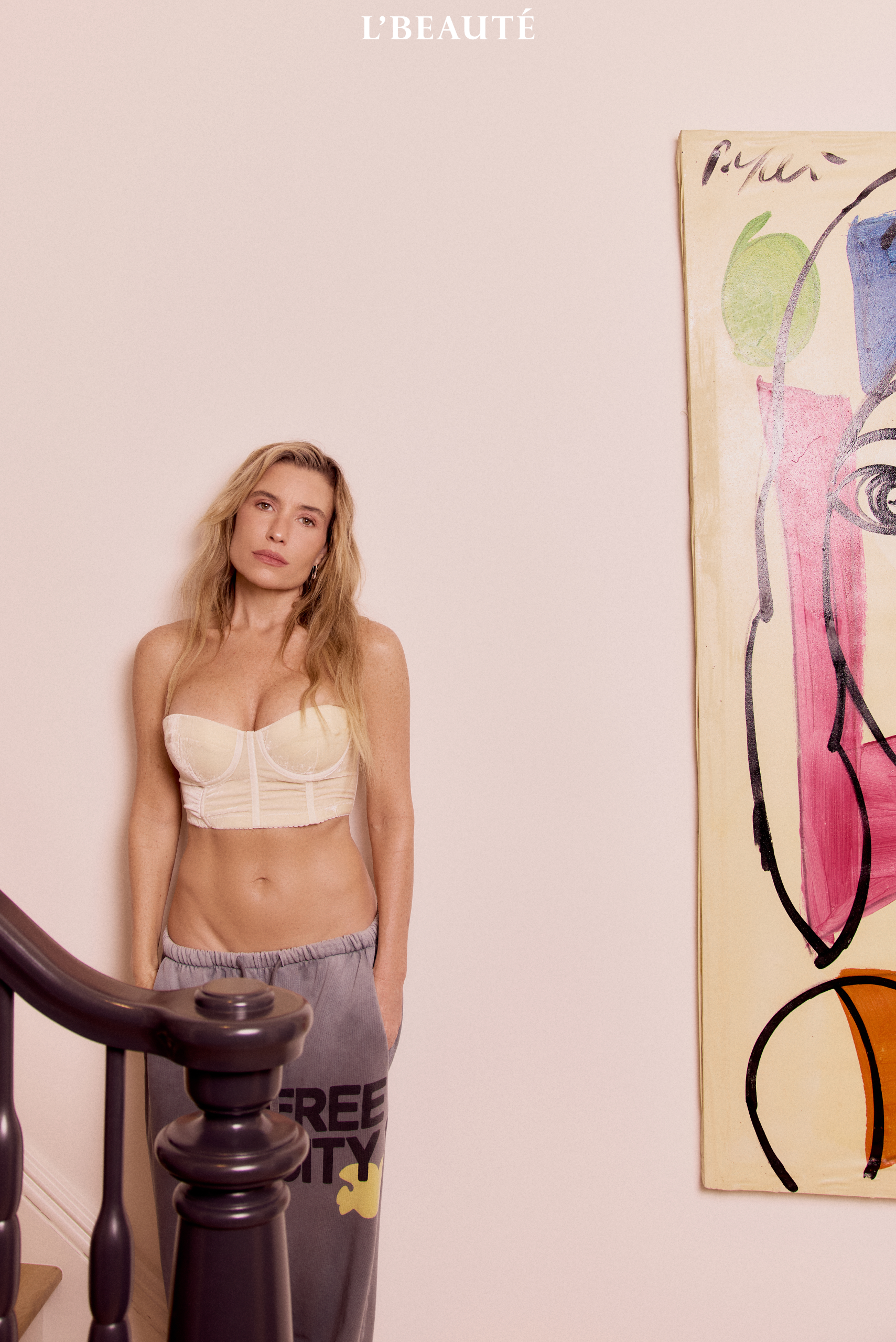
You write a lot about earning deeper levels of connection with yourself. What do you think people try to skip emotionally?
People skip the parts of themselves they’re not ready to face.
They avoid the very things that, once they’re willing to face them, open the door to profound growth. Those are the things that ultimately lead to healthier relationships, a happier life, and a lighter relationship with yourself. But because they’re uncomfortable, people keep skipping them.
Real growth can’t happen that way.
Your backpack gets heavier and heavier the longer you carry those things around. And the older and wiser you become, the more aware you are of what’s inside that backpack. Eventually, it becomes harder and harder to convince yourself it isn’t there.
Dices que todos estamos participando activamente en nuestro propio proceso de convertirnos en quienes somos. ¿Qué exige ese proceso desde el punto de vista emocional?
Creo que crecer emocionalmente requiere muchísimo valor.
Creo que tienes que estar dispuesto a dejar de darle tanto peso a lo que los demás piensan. Tienes que tener un interés genuino por descubrir quién eres realmente y qué es lo que de verdad te importa. Y también tienes que aprender a proteger mucho mejor tu propio espacio.
No digo que dejes de preocuparte por los demás. Digo que dejes de preocuparte tanto por lo que los demás piensan de ti.
Porque ahí es donde aparece todo el ruido. Ahí es donde terminas enturbiando tus propias aguas.
You say people are participating in their own becoming. What do you think becoming emotionally requires?
I think becoming emotionally requires a lot of bravery.
I think you have to be willing to step away from caring so much about what other people think. You have to be genuinely interested in discovering who you really are and what you truly care about. And you have to get much better at protecting your own space.
I didn’t say care less about other people. I said care less about what other people think.
Because that’s where all the noise lives. That’s where you muddy the waters for yourself.
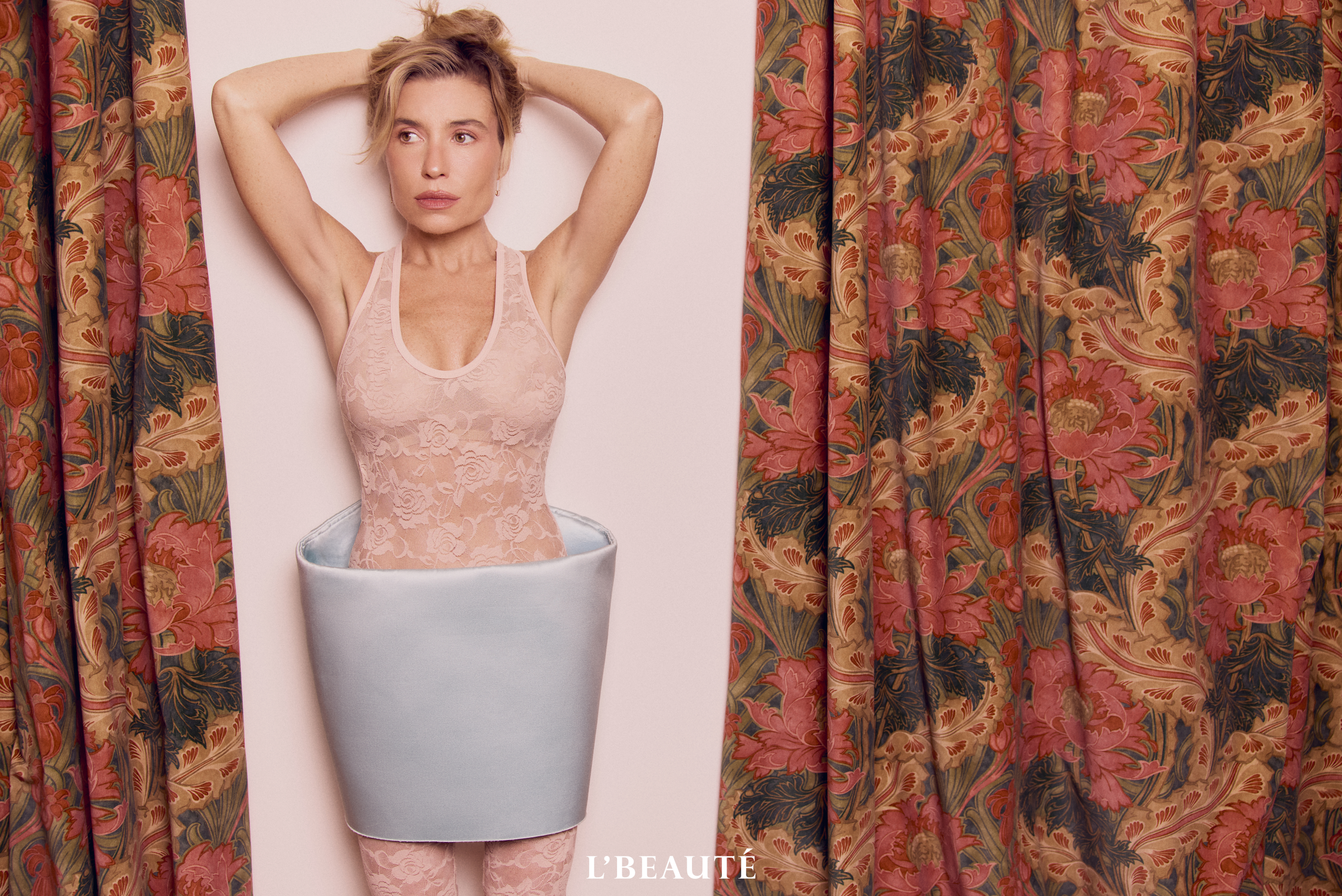
Has pasado décadas enseñando a las personas a organizar la fuerza dentro del cuerpo. ¿Qué te ha enseñado la vida sobre cómo organizar esa fuerza a nivel emocional?
Aprender a organizar la fuerza dentro del cuerpo es algo que toma muchísimo tiempo.
Incluso personas con grandes atletas muchas veces no comprenden algo tan básico como la transferencia del peso o cómo expresar la fuerza y, después, la ligereza. No se dan cuenta de que cada articulación es una forma de expresión y de que gesticular también es profundamente saludable para el cuerpo.
Y creo que, emocionalmente, también necesitamos permitirnos rompernos por dentro.
Un gran amigo mío, el doctor Mark Brackett, escribió el libro Permission to Feel. Creo que las personas no se dan suficiente permiso para sentir de verdad. En lugar de sentir, reaccionan. Pero ese lugar desde el que reaccionan no es el más profundo. No es la versión de sí mismos que realmente conocen ni la que ha hecho el trabajo interior.
Yo he vivido muchas experiencias que la mayoría consideraría traumáticas. Y he procesado muchas de esas conversaciones dentro de mi propio cuerpo, al punto de que nunca necesité tenerlas con las personas involucradas. Y estoy en paz con eso.
Puedes hacer las paces contigo mismo en privado. Puedes procesar lo que ocurrió hasta reconciliarte con ello, sin necesidad de seguir golpeando esa versión menos sabia, menos trabajada o más reactiva de ti mismo.
Creo que, mientras más respeto desarrollas por tu cuerpo, menos sientes que el mundo te debe algo.
You’ve spent decades teaching people how to organize force inside the body. What has your life taught you about organizing force emotionally?
Organizing force within the body is something that takes people a very long time to learn.
Even people who are incredible athletes often don’t understand something as fundamental as weight transfer, or how to truly express strength and then express lightness. They don’t realize that every articulation is a form of expression, and that gesturing is incredibly healthy for the body.
Emotionally, I think people also have to allow themselves to be broken open.
A friend of mine, Dr. Mark Brackett, wrote the book Permission to Feel. I think people simply don’t give themselves enough permission to genuinely feel. Instead, they react. But the place they’re reacting from isn’t their deepest place. It isn’t their most understood, worked-through self.
I’ve been through a lot in my life, experiences that many people would call traumatic. And I’ve worked through so many of those conversations inside my own body that I never even needed to have them with the people involved. And I’m okay with that.
You can come to terms with things privately. You can process them until you’re at peace with what happened, without having to keep hammering away at them from that less wise, less healed, or more entitled version of yourself.
The more respect you have for your body, the less entitled you become to all of those wants and needs.