
Michael Shaun: The Secret to Healthy Hair
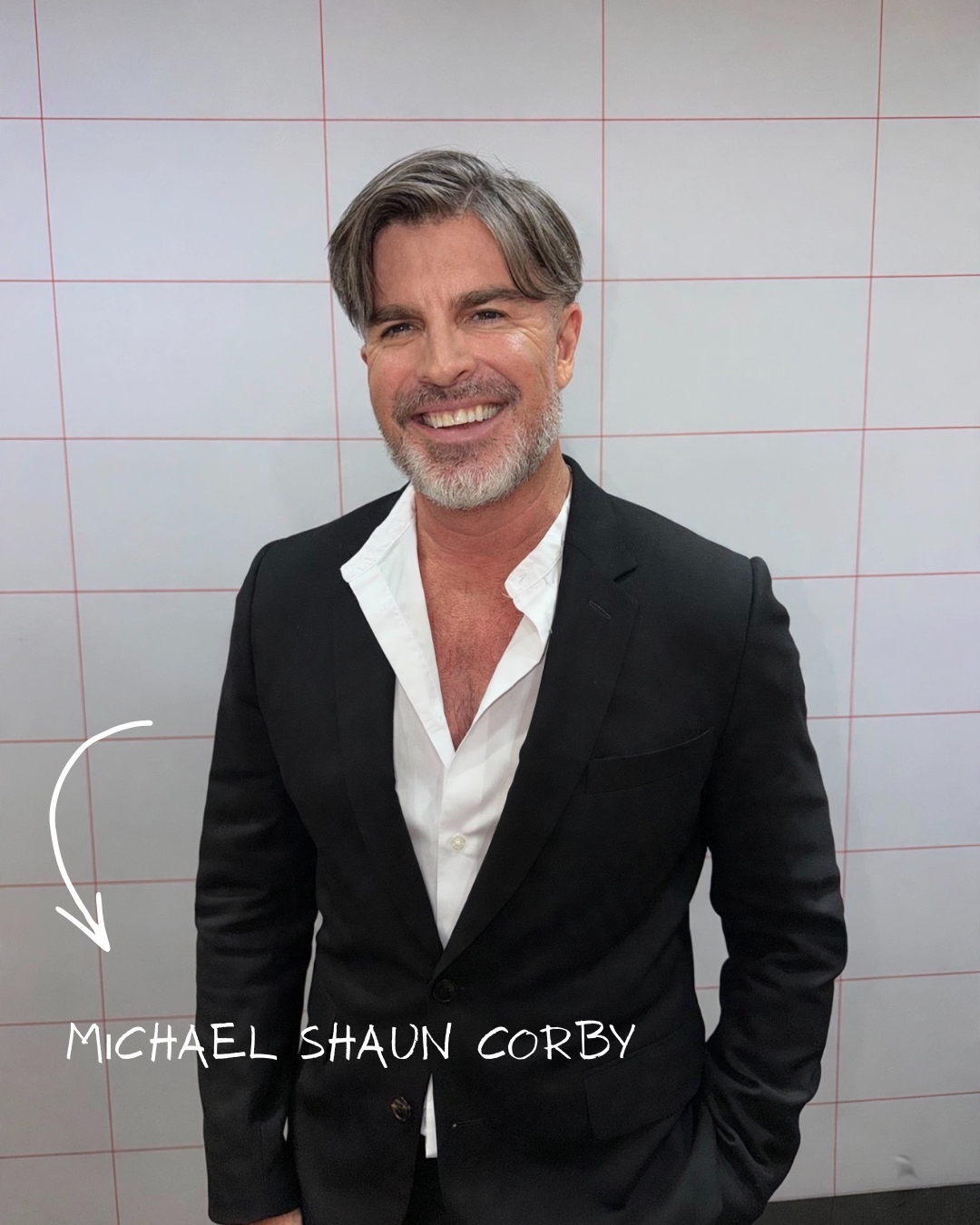
Michael Shaun:
The Secret to Healthy Hair
Between science, styling, and the myths that continue to shape our hair care routines, Michael Shaun Corby, Senior Director of Global Education at Olaplex, reveals why true hair transformation begins long before we look in the mirror.
Entre la ciencia, el styling y los mitos que siguen marcando nuestra rutina de cuidado capilar, Michael Shaun Corby, Senior Director of Global Education en Olaplex, revela por qué la verdadera transformación del pelo empieza mucho antes de mirarnos al espejo.
L’BEAUTÉ: What’s the biggest myth about having healthy hair?
MICHAEL: That you can fix everything by applying a mask at the end, we’ve lived in a world where people think, “Don’t worry, just fix it at the end”, but the key to healthy hair is what you do before, during, and after.
This applies both at the salon and at home. Are you going to a salon that actually gives you a consultation, or do they simply give you what you ask for without acting as experts? During a color service, for example, are they using treatments that help protect the hair’s bonds and minimize damage?
Afterward, your at-home routine matters just as much. Before washing, you should detangle your hair; during styling, you should use heat protection; and afterward, you should take care of your scalp, brush your hair at night, and consider how frequently you wash it. A mask alone won’t fix everything.

L’BEAUTÉ: ¿Cuál es el mayor mito sobre tener un pelo saludable?
MICHAEL: Que puedes repararlo todo aplicando una mascarilla al final. Hemos vivido en un mundo en el que la gente piensa: “no te preocupes, simplemente arréglalo al final”, pero la clave para tener una melena sana está en lo que haces antes, durante y después.
Esto aplica tanto en el salón como en casa. ¿Vas a un salón donde realmente te hacen una consulta o simplemente hacen lo que les pides sin actuar como expertos? Durante un servicio de coloración, por ejemplo, ¿utilizan tratamientos que ayudan a proteger los enlaces capilares y minimizar el daño?
Después, tu rutina en casa es igual de importante. Antes de lavar el pelo, debes desenredarlo; durante el peinado, debes utilizar un protector térmico; y después, debes cuidar el cuero cabelludo, cepillarte el pelo por la noche y considerar con qué frecuencia lo lavas. Una mascarilla por sí sola no lo va a solucionar todo.
How often would you recommend washing your hair?
It depends on your scalp and your environment. If you have an oily scalp or live somewhere very hot, you may need to wash your hair more frequently. For many people, washing it every three days is healthy.
We’re moving away from the idea that you should keep your hair dirty or rely exclusively on conditioner and dry shampoo. With the growing understanding of trichology, we’re learning more about how a healthy scalp is essential to healthy hair. And, of course, feeling clean is simply a good feeling.
¿Con qué frecuencia recomendarías lavar el pelo?
Depende del cuero cabelludo y del entorno. Si tienes el cuero cabelludo graso o vives en un lugar muy caluroso, quizá necesites lavarlo con mayor frecuencia. Sin embargo, para muchas personas, hacerlo cada tres días puede funcionar bien.
Estamos dejando atrás la idea de que debemos mantener el pelo sucio o depender únicamente del acondicionador y del shampoo en seco. Gracias a una mayor comprensión de la tricología, sabemos que un cuero cabelludo saludable es fundamental para tener el pelo saludable. Además, sentirte limpio es simplemente un gran sentimiento.

Would you say Olaplex is mainly recommended for color-treated hair, or can anyone use it?
One of the biggest myths is that if you don’t color your hair, you don’t need Olaplex. But everyday life damages your hair, too. Sleeping on a pillow, brushing it, washing it, or tying it back can all contribute to damage. That’s why Olaplex can benefit all hair types, not just color-treated hair.
Our technology is designed to reconnect broken disulfide bonds, helping restore the hair’s original structure rather than creating new bonds. For those who color their hair, using Olaplex alongside other bond-building treatments can also make an important difference.
Another myth is that Olaplex causes protein overload. Our products don’t contain protein, and the idea that they put too much protein into the hair simply isn’t true. There may be confusion surrounding an ingredient containing hydrolyzed protein, but that doesn’t mean it builds up protein in the hair.
There’s also the misconception that reconnecting bonds inside the hair could cause damage. Our technology reconnects broken disulfide bonds without creating new ones on top of the original structure, and it helps restore the bonds that were already there, so the idea that this process would make the hair hard doesn’t make sense. I want to dispel these myths and help people understand how our technology actually works.
¿Olaplex está pensado principalmente para pelo teñido o puede utilizarlo cualquier persona?
Uno de los mitos más comunes es que, si no te tiñes el pelo, no necesitas Olaplex. Sin embargo, las actividades cotidianas también lo dañan. Dormir sobre una almohada, cepillarlo, lavarlo o llevarlo recogido pueden contribuir al daño. Por eso, Olaplex puede beneficiar a todo tipo de pelo, no solo al teñido.
Nuestra tecnología está diseñada para reconectar los enlaces disulfuro rotos y ayudar a restaurar la estructura original del pelo, en lugar de crear enlaces nuevos. En el caso de quienes se lo tiñen, utilizar Olaplex junto con otros tratamientos que ayudan a reconstruir los enlaces también puede marcar una diferencia importante.
Otro mito es que Olaplex provoca una sobrecarga de proteínas. Nuestros productos no contienen proteínas, por lo que la idea de que aportan demasiadas proteínas al pelo simplemente no es cierta. Puede haber cierta confusión en torno a algún ingrediente que contiene proteína hidrolizada, pero eso no significa que esta se acumule en el pelo.
También existe la idea equivocada de que reconectar los enlaces dentro de la melena puede dañarla. Nuestra tecnología reconecta los enlaces disulfuro rotos sin crear enlaces nuevos sobre la estructura original y ayuda a restaurar los enlaces que ya estaban ahí, por lo que no tiene sentido pensar que este proceso volvería rígido el pelo. Quiero desmentir estos mitos y ayudar a las personas a comprender cómo funciona realmente nuestra tecnología.
What would you say is the biggest mistake people make when using Olaplex?
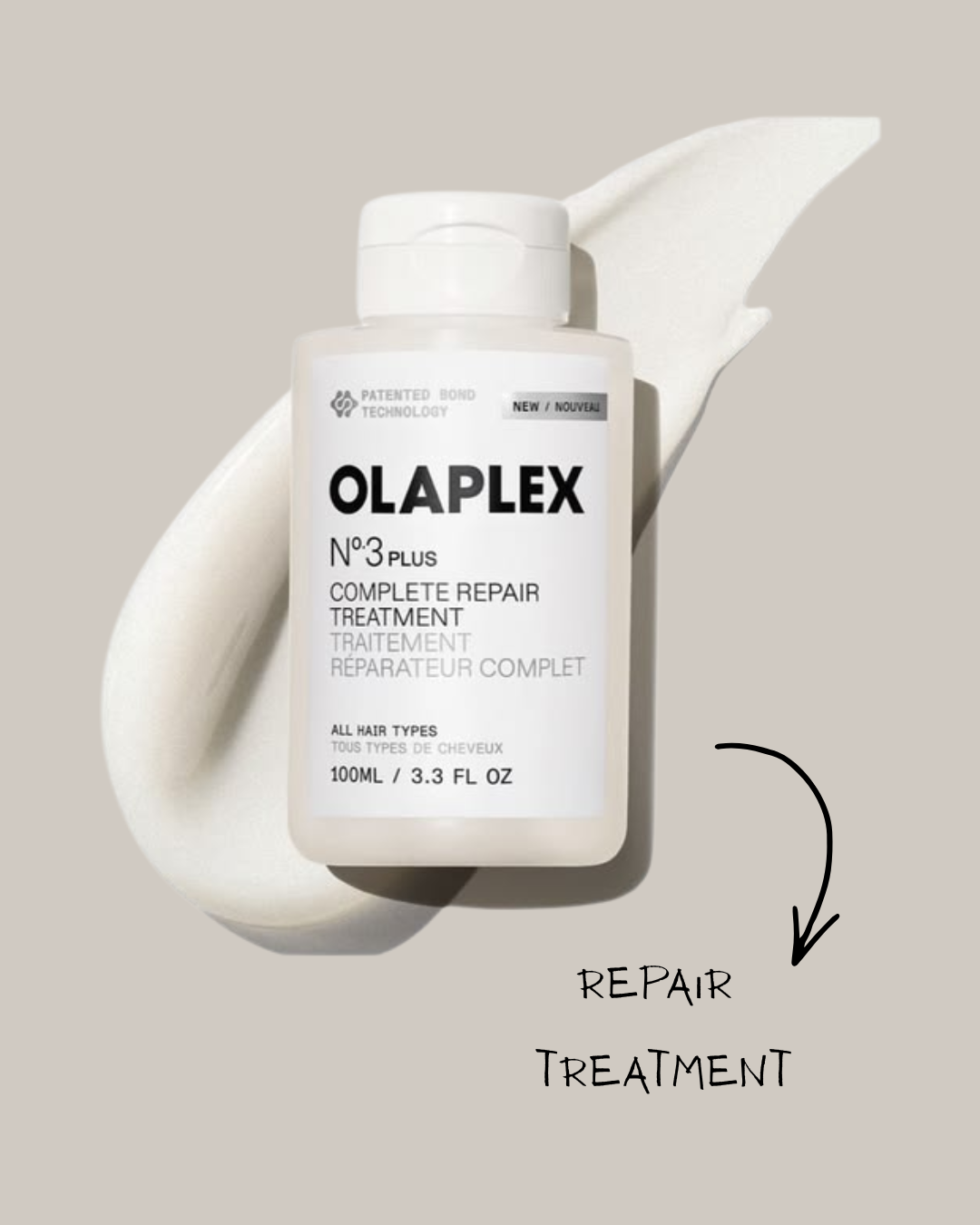
Leaving the product on overnight is one of the most common mistakes I hear about. In general, the products are easy to use when you follow the directions.
There are many myths surrounding Olaplex, but professionals continue to recommend it, and consumers often make it part of their regular routines. It’s important to separate rumors from how the products are actually intended to be used.
¿Cuál dirías que es el error más común que cometen las personas al utilizar Olaplex?
Dejar el producto puesto durante toda la noche es uno de los errores más comunes de los que he escuchado hablar. En general, los productos son fáciles de usar cuando se siguen las instrucciones.
Existen muchos mitos en torno a Olaplex, pero los profesionales siguen recomendándolo y los consumidores suelen incorporarlo a sus rutinas habituales. Es importante distinguir los rumores de la forma en que los productos están diseñados para utilizarse.
What are the biggest changes you’ve seen in the hair industry in recent years, particularly in technology?
Sorry to keep talking about Olaplex, but we created an entirely new category that hadn’t existed in over a hundred years, so I believe it significantly changed the industry.
Another major shift is in consumers’ expectations of hair color. Today, people come into salons with AI-generated images or social media references that aren’t always realistic. They want those results, but often aren’t willing to pay for them or spend the time required to achieve them. As a result, stylists are developing new techniques to recreate those effects more quickly. That’s one of the biggest changes I’ve seen throughout my career.
¿Cuáles dirías que han sido los cambios más importantes que has visto en la industria capilar en los últimos años, especialmente en cuanto a tecnología?
Perdón por seguir hablando de Olaplex, pero creamos una categoría completamente nueva que no había existido en más de cien años, por lo que considero que transformó significativamente la industria.
Otro cambio importante está en las expectativas de los consumidores respecto a la coloración. Hoy en día, las personas llegan a los salones con imágenes generadas por AI o referencias de redes sociales que no siempre son realistas. Quieren conseguir esos resultados, pero muchas veces no están dispuestas a pagar lo que cuestan ni a dedicar el tiempo necesario para lograrlos. Como resultado, los estilistas están desarrollando nuevas técnicas para recrear esos efectos de forma más rápida. Ese es uno de los cambios más importantes que he visto a lo largo de mi carrera.
What is your non-negotiable when it comes to hair care?
For me, it has always been hairspray. I grew up in the world of celebrity styling, editorial shoots, and film, where hairspray is essential for creating and maintaining a shape.
For a long time, some formulas left the hair stiff or sticky, which gave hairspray a bad reputation. Today, however, there are formulas that provide hold while helping care for the hair. I’ve worked on developing one that offers up to 96 hours of hold and frizz protection without that heavy, stiff feeling.
Hairspray remains essential for creating the finishes we see on television and in magazines. When it comes to curling hair, maintaining a shape, or achieving a polished look, it has always been part of the process.
¿Cuál es tu no negociable en el cuidado capilar?
Para mí, siempre ha sido el hairspray. Crecí en el mundo del styling de celebridades, las sesiones editoriales y el cine, donde es esencial para crear y mantener la forma del peinado.
Durante mucho tiempo, algunas fórmulas dejaban el pelo rígido o pegajoso, lo que le dio una mala reputación a este producto. Sin embargo, hoy existen fórmulas que ofrecen fijación y, al mismo tiempo, ayudan a cuidarlo. He trabajado en el desarrollo de una que ofrece hasta 96 horas de fijación y protección contra el frizz, sin dejar esa sensación pesada o rígida.
El hairspray sigue siendo esencial para conseguir los acabados que vemos en televisión y en las revistas. Ya sea para rizar el pelo, mantener la forma de un peinado o lograr un look pulido, siempre ha formado parte del proceso.

What are the biggest changes you’ve seen in the hair industry in recent years, particularly in technology?
Sorry to keep talking about Olaplex, but we created an entirely new category that hadn’t existed in over a hundred years, so I believe it significantly changed the industry.
Another major shift is in consumers’ expectations of hair color. Today, people come into salons with AI-generated images or social media references that aren’t always realistic. They want those results, but often aren’t willing to pay for them or spend the time required to achieve them. As a result, stylists are developing new techniques to recreate those effects more quickly. That’s one of the biggest changes I’ve seen throughout my career.
¿Cuáles dirías que han sido los cambios más importantes que has visto en la industria capilar en los últimos años, especialmente en cuanto a tecnología?
Perdón por seguir hablando de Olaplex, pero creamos una categoría completamente nueva que no había existido en más de cien años, por lo que considero que transformó significativamente la industria.
Otro cambio importante está en las expectativas de los consumidores respecto a la coloración. Hoy en día, las personas llegan a los salones con imágenes generadas por AI o referencias de redes sociales que no siempre son realistas. Quieren conseguir esos resultados, pero muchas veces no están dispuestas a pagar lo que cuestan ni a dedicar el tiempo necesario para lograrlos. Como resultado, los estilistas están desarrollando nuevas técnicas para recrear esos efectos de forma más rápida. Ese es uno de los cambios más importantes que he visto a lo largo de mi carrera.
For people who find Olaplex more expensive than other brands, especially considering the size of the products, what would you say is the advantage?
It’s important to remember that concentrated products don’t need to be used in large amounts. With our shampoos, for example, you only need a small amount in your wet hands. Once you work it into wet hair and add a little more water, you can create plenty of lather.
Our bond-building technology is also present throughout the range, so each step can contribute to hair care. You’re not simply washing or conditioning your hair; you’re helping improve its condition. That’s one of the advantages of incorporating Olaplex into your routine.
Para quienes consideran que Olaplex es más caro que otras marcas, especialmente por el tamaño de sus productos, ¿cuál dirías que es su ventaja?
Es importante recordar que los productos concentrados no necesitan utilizarse en grandes cantidades. En el caso de nuestros shampoos, por ejemplo, solo necesitas una pequeña cantidad en las manos mojadas. Al trabajarlo sobre pelo húmedo y añadir un poco más de agua, puedes generar abundante espuma.
Además, nuestra tecnología de reconstrucción de enlaces está presente en toda la línea, por lo que cada paso puede contribuir al cuidado del cabello. No se trata simplemente de lavar o acondicionar el cabello, sino de ayudar a mejorar su estado. Esa es una de las ventajas de incorporar Olaplex a tu rutina.
DESCUBRE: SIAR 2026: veinte ediciones después, México marca la hora
Fotografías: Cortesía de la marca & Pinterest


